We are a non-profit design think tank that wants to solve the big problems facing society, imagine a better future & work towards creating it. We do this through research and design, partnerships & collaborations.
Research & Design which isDynamic, Collaborative, Critical and Responsible
Dynamic

Collaborative

Critical
Responsible


Currently at HFI.org
Money changes societies and societies change money. We do not yet fully understand the consequences of a society without money. When money was “born,” (the first banknote was printed in France in the 17th Century) the population of our planet was around 2 million. Today, there are over seven billion of us. The system is under pressure because a massive demand for financing has created a historical level of economic debt in the world, which in turn causes an increase in inequality. It is compromised by issues such as inflation, the illicit economy and counterfeiting, to name a few. This has also increased inequalities. Our perception of money – how it is earned and its value – is undergoing a major change.
The physicality of it will change and we may have to be prepared for a financial revolution in the next 10 to 15 years. Recently, currencies have started to disappear; more than 600 in the last 30 years, and the trend continues. Israel is known for being a trend-setting nation as far as innovation is concerned. In Israel, there are now no less than 87 passable alternatives “currencies” in direct competition with the country’s official currency, the Israeli shekel, that you can use to buy real estate, books, clothes, food, and so on. Many thinkers and researchers argue that this trend will lead to the disintegration of our traditional perception of money.
Money changes societies and societies change money. We do not yet fully understand the consequences of a society without money. When money was “born,” (the first banknote was printed in France in the 17th Century) the population of our planet was around 2 million. Today, there are over seven billion of us. The system is under pressure because a massive demand for financing has created a historical level of economic debt in the world, which in turn causes an increase in inequality. It is compromised by issues such as inflation, the illicit economy and counterfeiting, to name a few. This has also increased inequalities. Our perception of money – how it is earned and its value – is undergoing a major change.
The physicality of it will change and we may have to be prepared for a financial revolution in the next 10 to 15 years. Recently, currencies have started to disappear; more than 600 in the last 30 years, and the trend continues. Israel is known for being a trend-setting nation as far as innovation is concerned. In Israel, there are now no less than 87 passable alternatives “currencies” in direct competition with the country’s official currency, the Israeli shekel, that you can use to buy real estate, books, clothes, food, and so on. Many thinkers and researchers argue that this trend will lead to the disintegration of our traditional perception of money.
Connected (& Light) BEING Approach
Papnek in his book Designing for the Real world and in recent times, Mike Monterio in his book Ruined by Design indicate that we designers are responsible in creating products / services that are wasteful, dangerous, bad for the environment, or detached from the needs and lives of ordinary people. They appeal to designers’ morality and the deeper, broader needs of human beings and the planet. The world is working exactly as designed. And it’s not working very well. Which means we need to do a better job of designing it. Design is a craft with an amazing amount of power. The power to choose. The power to influence. As designers, we need to see ourselves as gatekeepers of what we are bringing into the world, and what we choose not to bring into the world. Design is a craft with responsibility. The responsibility to help create a better world for all.
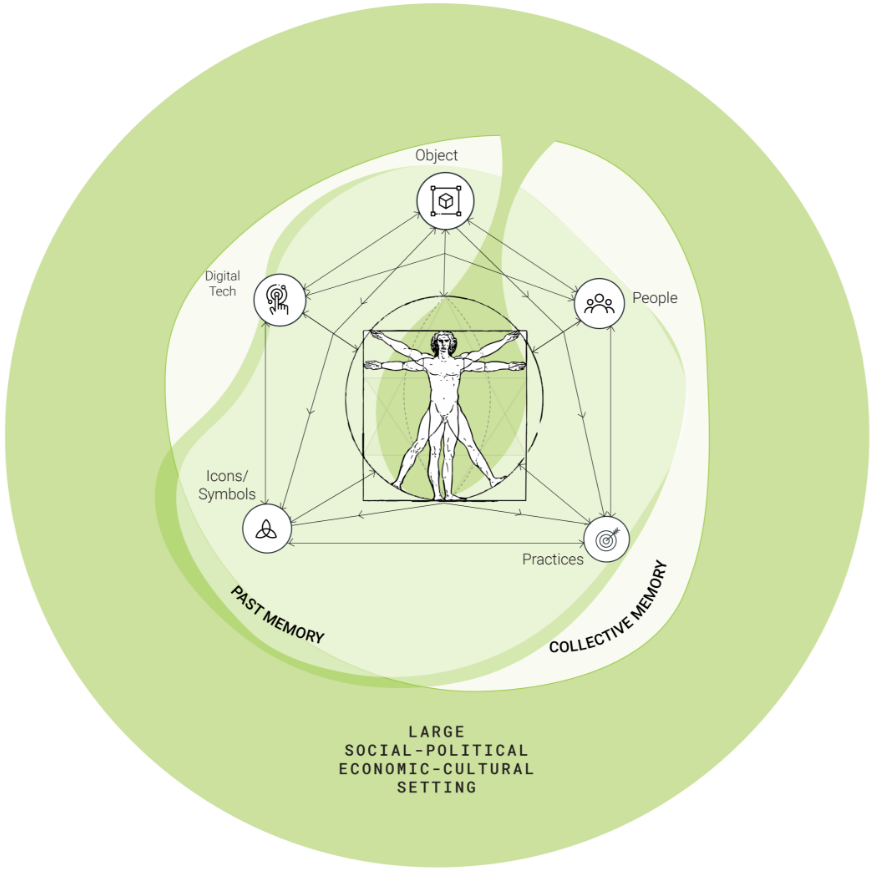
The goal of Connected (& Light) BEING is to explore new social patterns, user behaviours, role of technology, and future experiences around the emerging societies. This approach not only explores how people inherently encounter, engage and solve everyday problems in the connected world, but also explores solutions for the future societies in a way that creates value for not only humans in focus but also enriches the connected entities (societies, and environments) within its ecosystem; novel and innovative solutions that can become an integral part of the everyday responsible and equitable fabric of today and the future.
The Connected Being Approach
Showcase

Bot Food
While 3D printing is becoming increasingly accessible to us, the printing of food as well as its connection to our food apps, fitness devices and medical records is a future not far away.
The Future of Wearable Tech
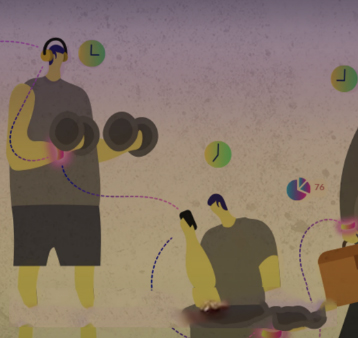
Wearable technologies first came in, in a smaller form, as more-convenient-than-a-smartphone-sized gadget.

The Future of Travel Chatbots
Travel agents, airlines, and hotels are all introducing chatbots who are knowledgeable, accurate and have a vast amount of information.

Smart Waste
Could the future be about paying for the garbage you generate? Can we bring our waste generation down to zero?
Partners

Advisors
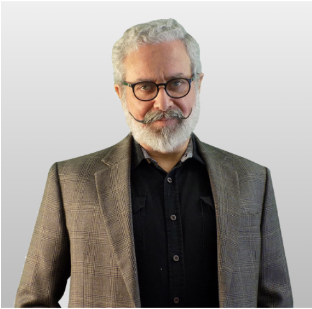
Dr. Eric Schaffer
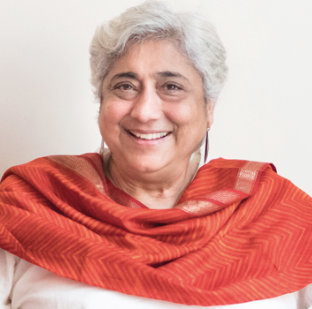
Dr. Geetha Narayananan
The Team
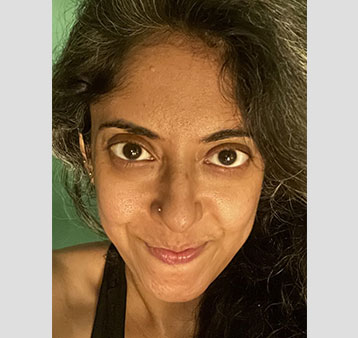
Experimental,
Egalitarian
Ananya Roy
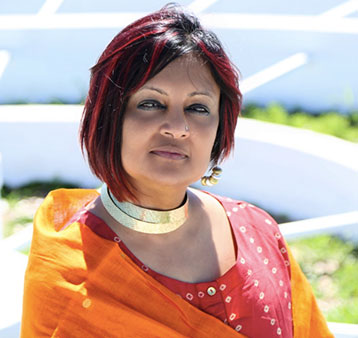
Eternal wanderer,
Equality obsessed
Apala Lahiri

Honest,
Perceptive
Arsh Kumar

Innovation,
Futures
Girish Prabhu
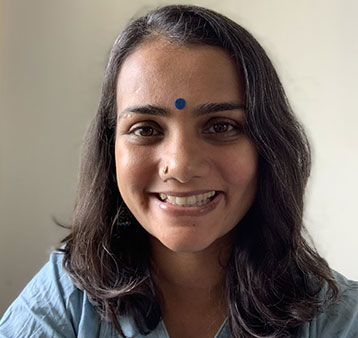
Creative,
Compassionate
Kushboo Biyani

Innovative,
Jovial
Niharika Trikha

Multi-faceted,
Intuitive
Nilay Kachalia

Intentional,
Critical
